























Thousands of Containers Backlogged! Major Southeast Asian Ports Hit by Severe Congestion!
The global container shipping market remains hot. Under the superposition of multiple factors such as tighter shipping capacity, concentrated release of peak season stocking demand and port congestion, the latest Shanghai Export Container Freight Index (SCFI) has risen for the seventh consecutive week, and the increase has further expanded. Freight rates on the four major ocean routes of Europe, the Mediterranean, the West America and the East America rose across the board, with single-week increases reaching double digits. Among them, the European route increased by 17% and the USWestern route increased by 12%, becoming the main driving force for this round of increases.
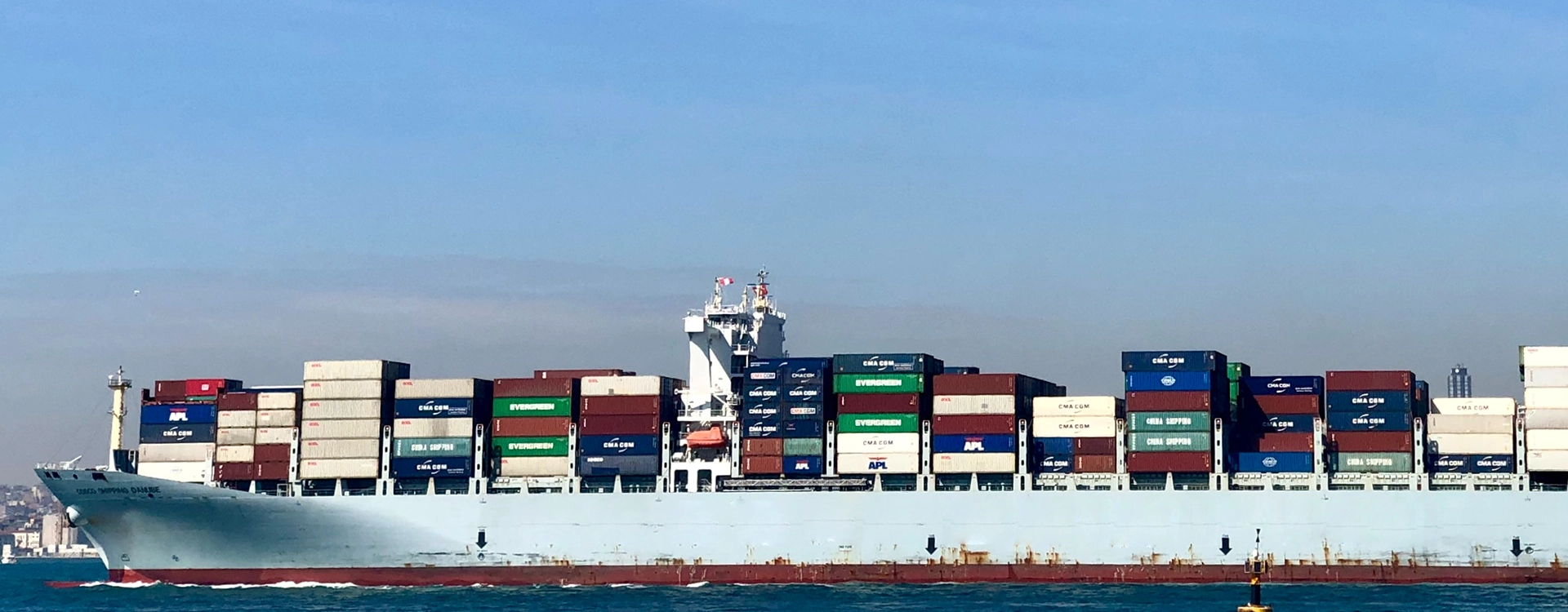
Industry insiders pointed out that due to the combined influence of multiple factors such as peak season stocking, rising oil prices, port congestion, and geopolitical tensions in the Middle East, the market is expected to remain strong before the end of June, and the shortage of shipping capacity has not been significantly alleviated in the short term.
The latest data from the Shanghai Shipping Exchange showed that the SCFI Composite Index reported 2985.22 points, an increase of 258.74 points from last week, a weekly increase of 9.49%, and a seven-week increase in a row.
In the spot market, freight rates on major European and American routes continue to rise. The current freight rate for a 40-foot container on the US West Route is approximately US,300, the US East Route is approximately US,500, and the European route is approximately US,800 to US,000. According to analysis by international logistics industry players, rising oil prices, port congestion and the continued release of peak season stocking needs in European and American markets are the main factors supporting this round of freight rate increases. At the same time, the situation in the Middle East and the risk in the Red Sea have not yet been completely resolved, further exacerbating the market's concerns about the supply of shipping capacity.
The latest quotations from many freight forwarding companies show that there are still plans to increase freight rates on European and American routes in the second half of June. Among them, the freight rate for 40-foot containers on the US West Route has been raised from about US,800 to US,300, the US East Route has been raised from about US,300 to US,500, and the European route has been raised from about US,500 to a range of US,800 to US,000. At present, the new round of price increase plan implemented by the shipping company on June 15 has basically been implemented.
The US route is still one of the most tense routes in the current market. Industry insiders said that space in the northwest and east routes of the United States continues to be tight, and shipping companies have a clear stance on price increases. The subsequent freight rate trend still depends on the actual space supply. However, there are also some new changes in the market. Some freight forwarders revealed that shipping companies such as Mediterranean Shipping Company (MSC) and Maersk intend to increase shipping capacity on the U.S. line, hoping to gain more profits from the current high freight market. If additional shipping capacity subsequently enters the market, it may have a certain impact on further increases in freight rates and deserves continued attention.
It is worth noting that MSC has restarted the previously suspended Pearl service on the West Coast Express Line. The route was suspended in July last year due to weak demand and low freight rates on the trans-Pacific route. Now, as market demand rebounds and space continues to be tight, MSC has resumed operations on this route. The Pearl route calls at ports such as Xiamen, Yantian and Changtan. The current market demand and freight rate performance have exceeded previous expectations.
Shipping companies and freight forwarders generally believe that there is still great uncertainty in the US-Iran negotiations and the development of the regional situation. The situation in the Middle East and the risk of the Red Sea have not yet been completely eliminated. The market sentiment in the short term is still cautious. In the case of limited space supply, freight rates will remain high as a whole. However, the market has also recently reported that space on some southwest routes to the United States has increased, and freight rates on some routes have shown signs of slight relaxation. Some shipping companies have begun to adjust the market through methods such as fixed rates to stabilize cargo volume and space utilization.
Overall, freight rates on major European and American routes will remain high in the short term, under the background of peak season demand support, tight shipping space, and continued geopolitical risks. However, as shipping companies gradually increase shipping capacity, subsequent market trends still need to be continuously observed.