






















Hormuz Strait Reopening Hopes Rise? Carriers May Deploy Megamax Vessels, but Three Key Variables Still Cloud Persian Gulf Market
As the United States and Iran resume negotiations, expectations for the Strait of Hormuz to resume normal navigation are rising again. Many liner companies believe that once the strait is reopened, the backlog of replenishment demand will be released, the Persian Gulf route is expected to usher in a rebound in cargo volume, and large container ships may accelerate their return to the market. However, judging from the current situation, there are still great uncertainties in key issues such as the implementation of the agreement, waterway security and regional ceasefires, and the full restoration of normal operations for Persian Gulf shipping still faces many challenges.
The United States and Iran have restarted negotiations, but prospects for resumption of flights are still unclear
Senior executives of several container shipping companies said that if the United States and Iran can finally reach a formal agreement on the opening of the Strait of Hormuz and related issues, the Persian Gulf route is expected to gradually resume normal operations before the end of this year. However, the industry generally believes that the prerequisite for resuming navigation is not only reaching an agreement, but more importantly, ensuring the safety of the waterway and the stability of the traffic mechanism. Judging from the current situation, the relevant conditions are not yet fully met.
The relevant agreement process that was originally scheduled to be advanced during the Dragon Boat Festival was affected by the escalation of the situation between Israel and Lebanon. Although both the U.S. and Iranian delegations have confirmed their participation in the new round of talks to be held in Switzerland on June 21, people in the shipping industry generally believe that there are still major variables in the follow-up.
According to CCTV International News, with the mediation of Qatar and Pakistan, the United States and Iran launched a new round of negotiations in Switzerland on June 21. Iran said the talks will focus on the implementation of ceasefire commitments, the unfreezing of frozen assets and oil sales licenses. Analysts pointed out that the memorandum of understanding previously reached by the two sides was originally intended to promote a ceasefire and start follow-up negotiations, but the current recurring situation in the region has made the implementation of the agreement face new tests.
Shipping companies are cautiously waiting and watching, as it is still difficult to determine the time for resumption of sailings
Most shipping companies remain cautious about when to resume Persian Gulf routes. Yang Ming Shipping's management stated that the current situation is changing rapidly and it is difficult to accurately predict the resumption time. However, the company previously disclosed that currently goods in the Persian Gulf region are mainly transported by sea to ports outside the Strait of Hormuz, and then transferred overland to the Gulf countries. The overall cargo volume is only 20%-30% of that before the conflict broke out. This means that once the strait returns to normal traffic, the pent-up freight demand in the early stage is expected to be released intensively, and the Persian Gulf market may usher in a significant replenishment wave.
Dexiang Shipping and China United Shipping are currently suspending operations on Persian Gulf-related routes. Both companies said that if the Strait of Hormuz is reopened and the security situation is stable, they will consider resuming related services and deploy larger-tonnage ships into operation based on market demand. Some European liner companies believe that the Persian Gulf route may not fully return to normal until the end of this year at the earliest. Although the costs of bypass and transshipment modes are currently high, there is no rush to resume large-scale entry into Persian Gulf ports in the short term due to simultaneous increases in market freight rates and surcharge levels.
Replenishment demand may drive the return of large ships
Industry insiders generally expect that the most obvious market feature in the early stages of resumption of flights will be a rapid recovery in cargo volume. As Persian Gulf countries have long relied on imports, a large number of goods were delayed during the conflict and market stocks continued to be depleted. Once routes return to normal, a large number of backlogged orders and replenishment needs will be released intensively. Therefore, many shipping companies have begun to evaluate the possibility of increasing shipping capacity.
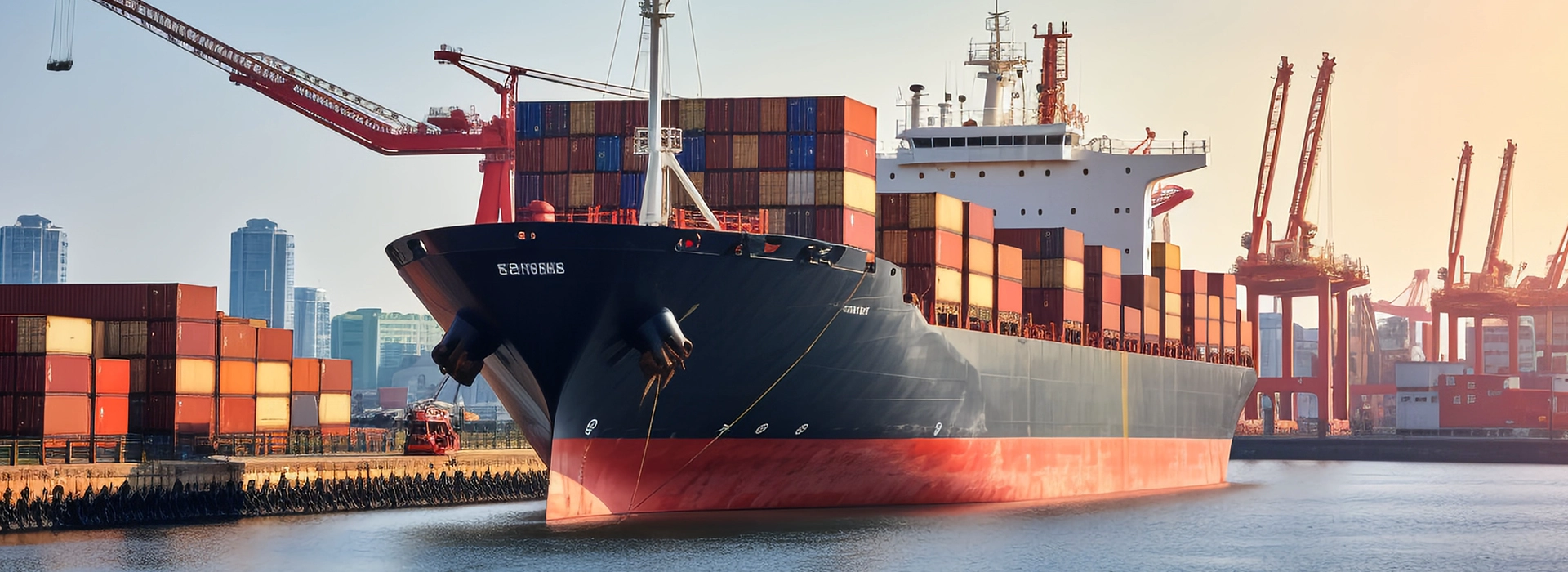
In fact, the Persian Gulf route was already operating some 10,000-ton container ships before the conflict broke out. The industry predicts that as replenishment demand picks up, the number of 10,000-container-class ships deployed on this route may increase significantly in the future to meet the short-term surge in transportation demand. At the same time, since a large number of ships have been stranded in the Persian Gulf area, the resumption of sailing will also involve issues such as ship rescheduling, route restoration, and port operation resumption. Industry insiders pointed out that although the overall direct impact of the war on the major container ports in the Persian Gulf was relatively limited, problems such as port congestion, concentrated arrivals and equipment turnover pressure may still occur in the early stages of resumption of sailings.
The market pays attention to three key variables
For freight forwarders and cargo owners, whether the Strait of Hormuz can resume normal navigation will still need to focus on three factors in the future: First, whether the agreement can truly be implemented. The negotiations between the United States and Iran are still progressing, and there are still uncertainties in subsequent implementation. Second, whether waterway safety can be guaranteed. Even if the strait is opened, whether shipping companies are willing to resume normal navigation will still depend on the results of safety assessments. Third, the speed of recovery of ports and supply chains. Problems such as centralized replenishment, ship dispatching and port congestion that may arise after the resumption of sailings will directly affect the pace of market recovery.
Overall, expectations for the resumption of navigation in the Strait of Hormuz are increasing, but there is still some distance before the Persian Gulf routes fully resume normal operations. For freight forwarding companies, they must not only pay attention to the progress of negotiations in the next few months, but also be wary of the tight space and freight rate fluctuation opportunities caused by the replenishment wave, and make plans in advance to respond to market changes.