

















Nearly 50 ships are stranded outside the port! European ports are in emergency! Antwerp pilotage suspended, Rotterdam protests escalate
Recently, European ports have suffered from operational disruptions one after another, and the uncertainty in the regional supply chain has increased significantly.
The pilotage services at the Port of Antwerp-Bruges in Belgium were completely suspended due to a nationwide strike, forcing a large number of ships to be stranded outside the port. At the same time, the Port of Rotterdam in the Netherlands and surrounding areas faced the risk of local transportation obstruction on roads, railways and inland shipping due to demonstrations.
The two incidents superimposed and occurred in Europe's core hub port, which may have a phased impact on regional logistics efficiency and multimodal transport networks, and deserve close attention from cargo owners, freight forwarders and related companies.
The pilot service at the Port of Antwerp is suspended and nearly 50 ships are stranded outside the port.
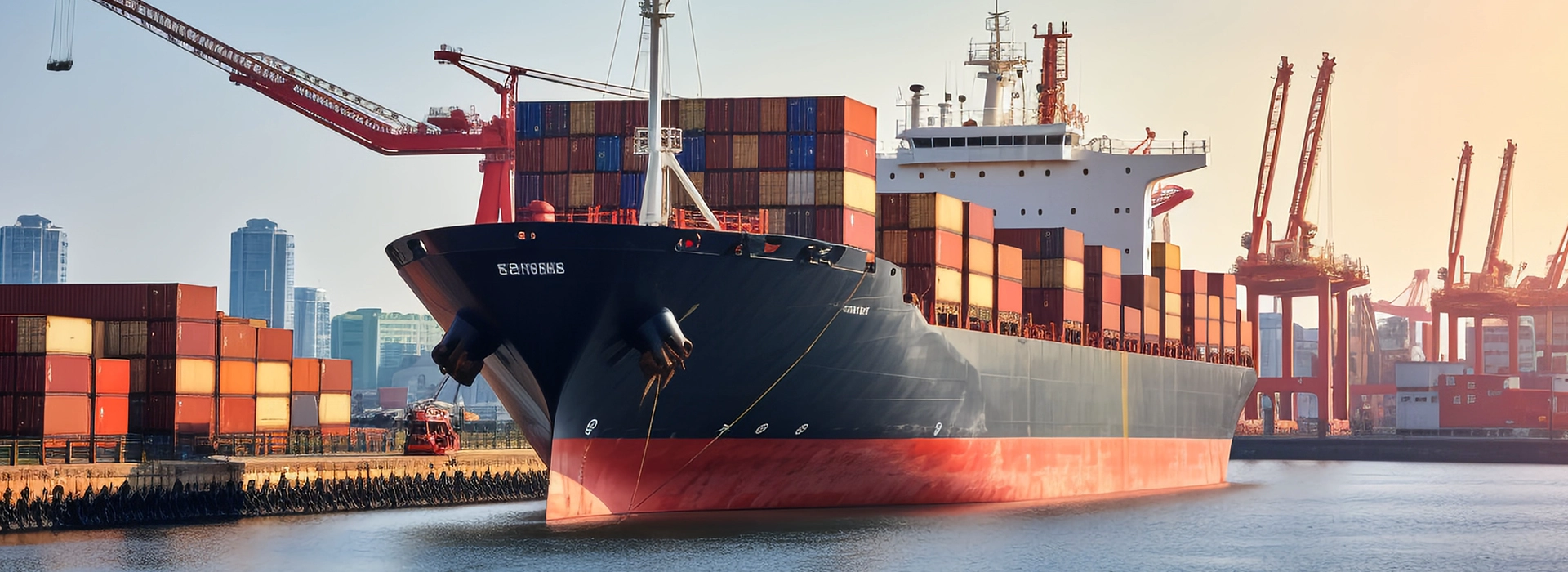
On June 25, local time, a nationwide strike in Belgium resulted in the complete suspension of pilotage services at the Port of Antwerp, which significantly affected the entry and exit operations of ships at the port. As of the morning of June 27, a total of 49 ships were waiting to berth or leave the port at the anchorage outside the port of Antwerp-Bruges, which directly affected container loading and unloading and ship turnover efficiency. The port said that even if the strike ends, it will still take 1 to 2 days to resume normal operations to digest the backlog of ships and cargo flows.
The direct cause of the pilotage suspension is that the pilot union and the port operator failed to reach an agreement on issues such as salary adjustment, shift system and front-line staffing. The union subsequently launched a strike, and all mandatory pilotage operations were suspended simultaneously. Foreign ships arriving at the port could only wait at designated anchorages. It is worth noting that this is the fourth strike that has occurred in the Port of Antwerp recently, reflecting the continued impact of labor conflicts on the continuity of port operations.
At present, the operating pressure of the Port of Antwerp itself is at a high level. Data shows that the average waiting time for ships at the port in the past seven days is about 1.64 days, and the yard utilization rate remains high. The renovation of crane equipment in some port areas has also limited berths and loading and unloading capacity, further reducing the port's operational flexibility. The port expects that the pilotage suspension will cause a delay of about 3 to 5 days in the European inland collection and distribution. If the shutdown lasts for 48 hours, container throughput delays at the port will be further aggravated; if it exceeds 72 hours, ships scheduled to berth in the future may adjust their ports of call, and the loading and unloading pressure on surrounding ports such as Rotterdam and Hamburg will also increase. At present, the port operator and the labor union have not announced new negotiation arrangements, and the time for the restoration of pilotage services is still uncertain.
Port of Rotterdam protests impact multimodal transport
At the same time, the Dutch organization Geef Tegengas organized protests in the Port of Rotterdam and surrounding areas from June 26 to 27 to express demands for weapons transportation, resource development and related social issues, and planned to carry out a series of activities in the port area and surrounding areas. Although the specific location and scale of the protests have not yet been announced, related actions may lead to local traffic blockades, which will have a certain impact on port logistics and transportation.
According to current information, the affected areas may include road transportation (some roads may experience traffic congestion or temporary closures), railway transportation (transportation organization may be subject to certain disruptions), and inland shipping (the operating efficiency of some waterways and terminals will decrease). Relevant parties at the port have reminded customers, logistics companies and supply chain participants to pay attention to the progress of the activities in advance and make transportation arrangements and risk plans based on actual conditions.
Industry observation
Although the pilotage suspension at the Port of Antwerp and the protests at the Port of Rotterdam are events of different natures, they both occurred in core European ports, and combined with the recent background of continued high-load operation of European ports, the uncertainty faced by the regional supply chain has increased. For cargo owners, freight forwarders and liner companies, they should pay close attention to port operation dynamics, shipping company notices and flight adjustment information, reasonably arrange bookings, suitcases and inland transportation plans, and evaluate alternate ports or alternative transportation plans when necessary to reduce the potential impact of port operation disturbances.