

















U.S. Shipping Rates Surge Over 60%! Port Congestion in the Middle East and South Asia Triggers Cargo Rollovers and Container Space Crunch Again
Currently, the global container shipping market is facing a complex situation of multiple pressures. U.S. routes are experiencing an unexpected surge in shipments, with space rapidly tightening and freight rates continuing to rise. At the same time, the escalating geopolitical conflict in the Middle East and congestion at major ports in South Asia are triggering a chain reaction in the supply chain. Port yards are full, ships are delayed, containers are dumped frequently, various surcharges are continuously raised, and many trunk routes have entered high-pressure operation.
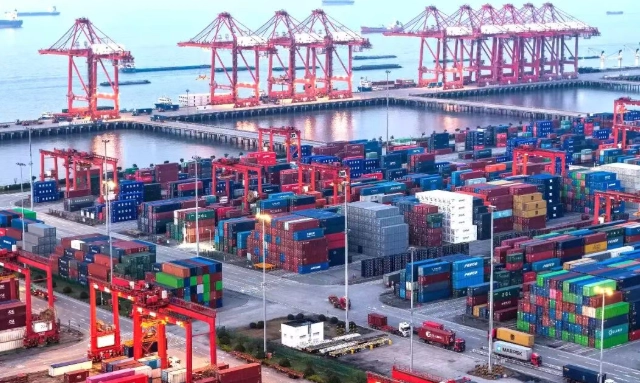
Industry insiders pointed out that this round of market demand cannot be explained by the traditional peak season, but is driven by multiple factors such as the direction of tariff policies, geopolitical risks, bottlenecks in port processing capacity, and global demand for inventory replenishment.
Demand for the US line is concentrated, and freight rates increase by more than 60%
Recently, freight demand on the Asia-US route has increased significantly. Market analysts believe that one of the core driving forces for this wave of shipments is the high degree of uncertainty in U.S. tariff policy. Previously, a number of tariff measures were ruled by the court to be legally controversial, and the Office of the United States Trade Representative (USTR) subsequently launched a new round of Section 301 investigation. The market is generally concerned that new tax increases may be introduced in the future, prompting a large number of cargo owners to ship goods in advance to avoid risks.
In addition, the demand for stocking up during the U.S. National Day and the consumption boost brought by major international events have further accelerated the pace of inventory replenishment in the U.S. market. Affected by the surge in demand, many liner companies have announced a new round of price increases. Yang Ming Shipping, Wan Hai Shipping, etc. plan to increase freight rates on U.S. lines starting from June, with the increase on some routes reaching US,000 to US,500/FEU. Maersk announced that it will impose a peak season surcharge (PSS) on routes from the Far East to the United States and Canada, up to US,000/FEU. Mediterranean Shipping Company (MSC) also simultaneously raised fuel surcharges on routes from Asia to North America.
According to SCFI data from the Shanghai Shipping Exchange, the freight rate for the US-West route in early May was approximately US,722/FEU, and the US-Eastern route was approximately US,691/FEU. If the June price increase is fully implemented, the freight rate in the US West is expected to rise to approximately US,800/FEU, and that in the US East will be close to US,000/FEU. In just one month, freight rates on the US route have increased by more than 60%, of which the US-West route has increased by nearly 80%. The industry expects that this round of high market prices in the US will continue for one to two months in the short term. However, in the long term, as global container shipping capacity is still in an expansion cycle, there will be greater uncertainty in the subsequent market.
Pressure on ports in the Middle East and South Asia continues to escalate, with congestion and container dumping occurring frequently.
Different from the "rush for shipments" in the US line, the Middle East and South Asian markets are more affected by the geopolitical situation and port infrastructure bottlenecks. According to the latest global port dynamics report released by DHL, the Port of Jebel Ali in the United Arab Emirates and the Port of Dammam in Saudi Arabia have entered a state of severe congestion, with some cargoes delayed for more than five days. At the same time, many ports on the west coast of India have also experienced long-term ship waiting times and saturation of storage yards.
Industry analysts pointed out that the current pressure on Middle East ports is largely due to the diversion of the Red Sea and the escalation of regional conflicts. Due to safety concerns, some shipping companies have reduced sailings into high-risk areas such as the Persian Gulf. As a result, cargo originally planned to go directly to the Middle East was forced to be rerouted to South Asian ports such as Karachi and Mundra for transshipment or unloading. This caused a surge in cargo volume at these ports in a short period of time. After a large number of transshipment containers were stranded, port operation efficiency dropped significantly, and the storage yard was quickly saturated, which in turn lengthened the waiting time for ships to berth. The average waiting time at some ports has reached 2.5 to 3.8 days.
Port congestion, in turn, affects ship turnover efficiency, causing effective shipping capacity to be "locked", thus pushing up overall freight rates. At the same time, many freight forwarding companies have reported that the phenomenon of "dumping cargo" on South Asian routes has increased significantly recently. Even if you pay a high price to book space, the cargo may still be temporarily delayed due to tight space, and market uncertainty continues to amplify.
Global supply chain risks are still spreading, and companies need to plan ahead
In addition to the Middle East and South Asia, some core ports in Europe also maintain high-load operations. Although ports such as Rotterdam, Hamburg and Antwerp have not experienced serious port congestion, the decline in railway and truck transshipment efficiency has led to an overall slowdown in the logistics chain. The overall situation of North American ports is relatively stable, but some areas have experienced problems such as extended storage times, slow railway recovery, and insufficient inland transportation equipment.
For companies engaged in international trade, the current biggest challenge is not just rising freight rates, but how to ensure the stability of the supply chain in a highly volatile market environment. Many freight forwarding companies have recommended that customers advance their booking cycles by 2 to 3 weeks, appropriately increase inventory buffers, and reduce reliance on a single port and route to spread potential risks.
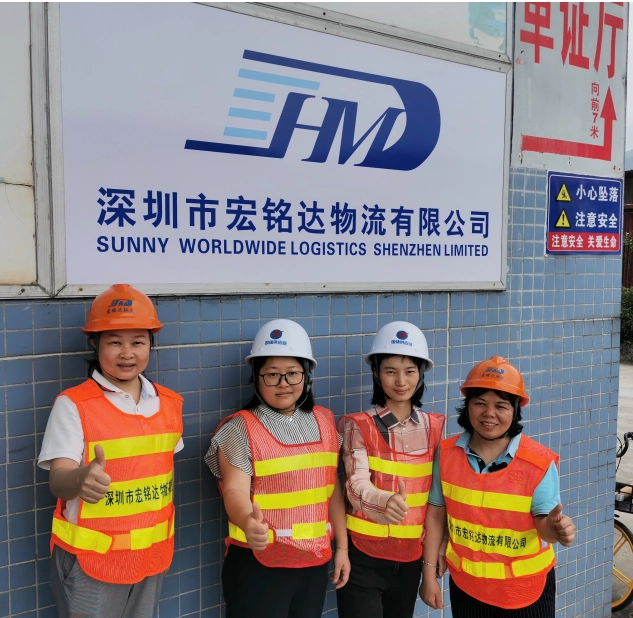
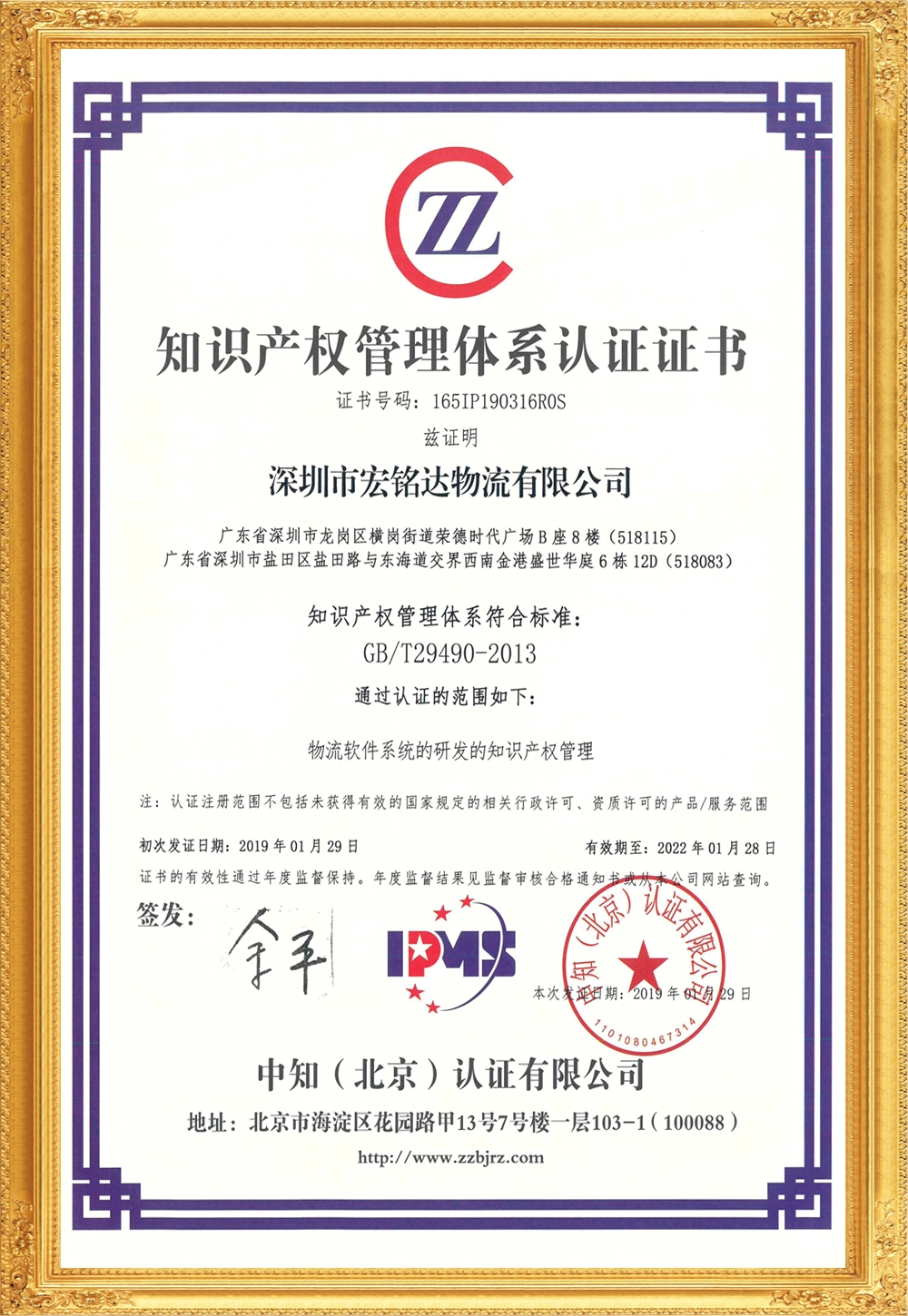
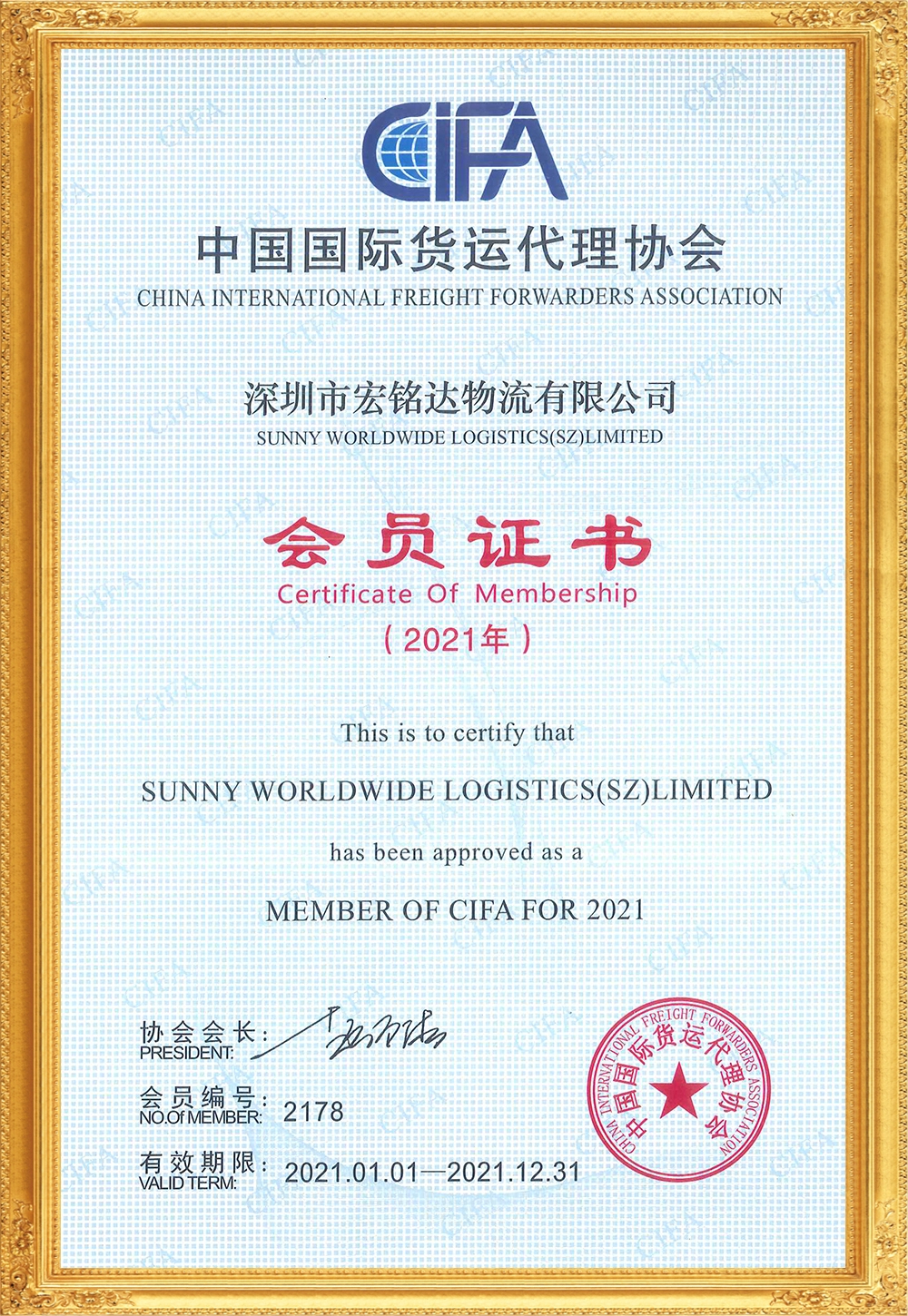
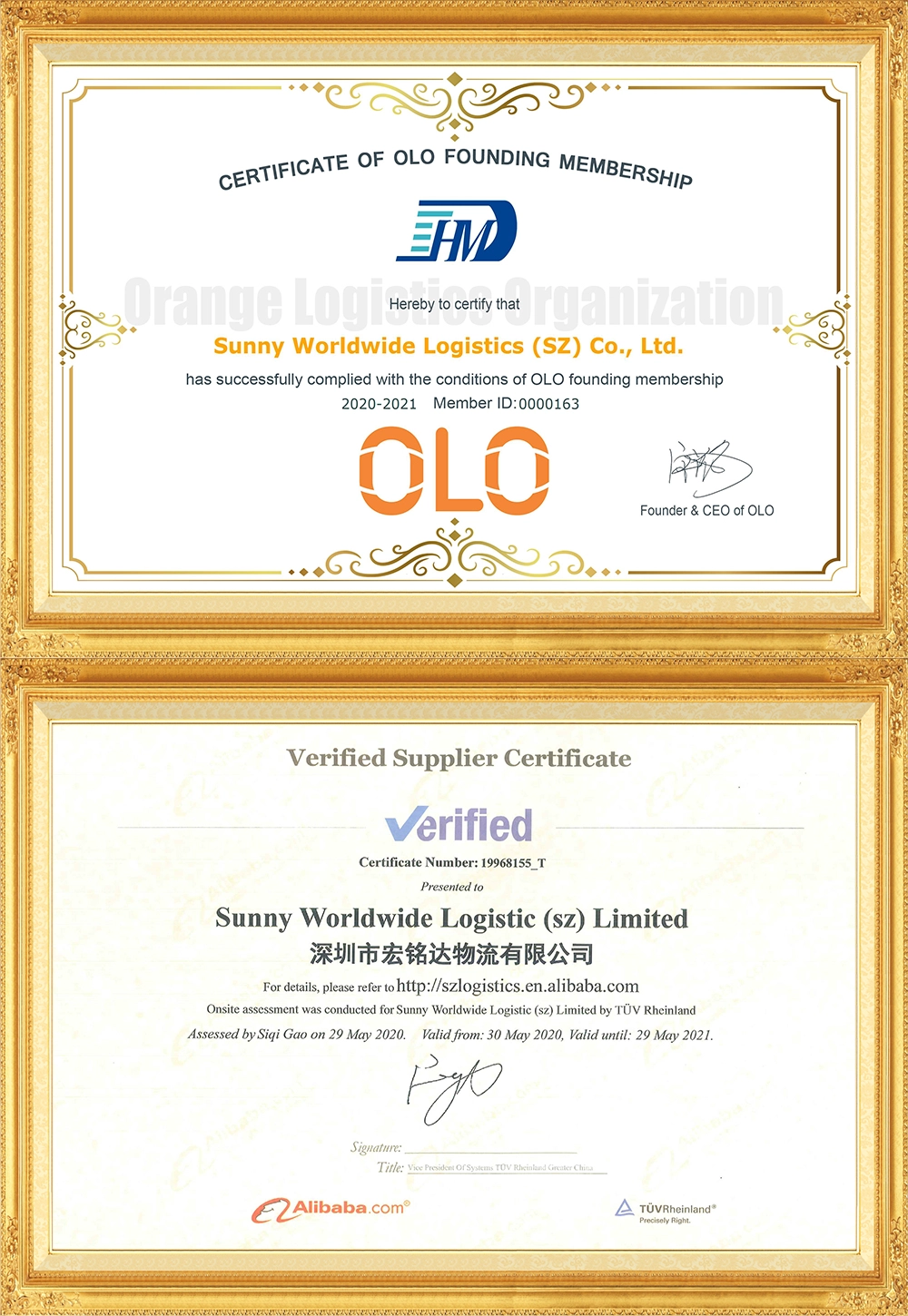
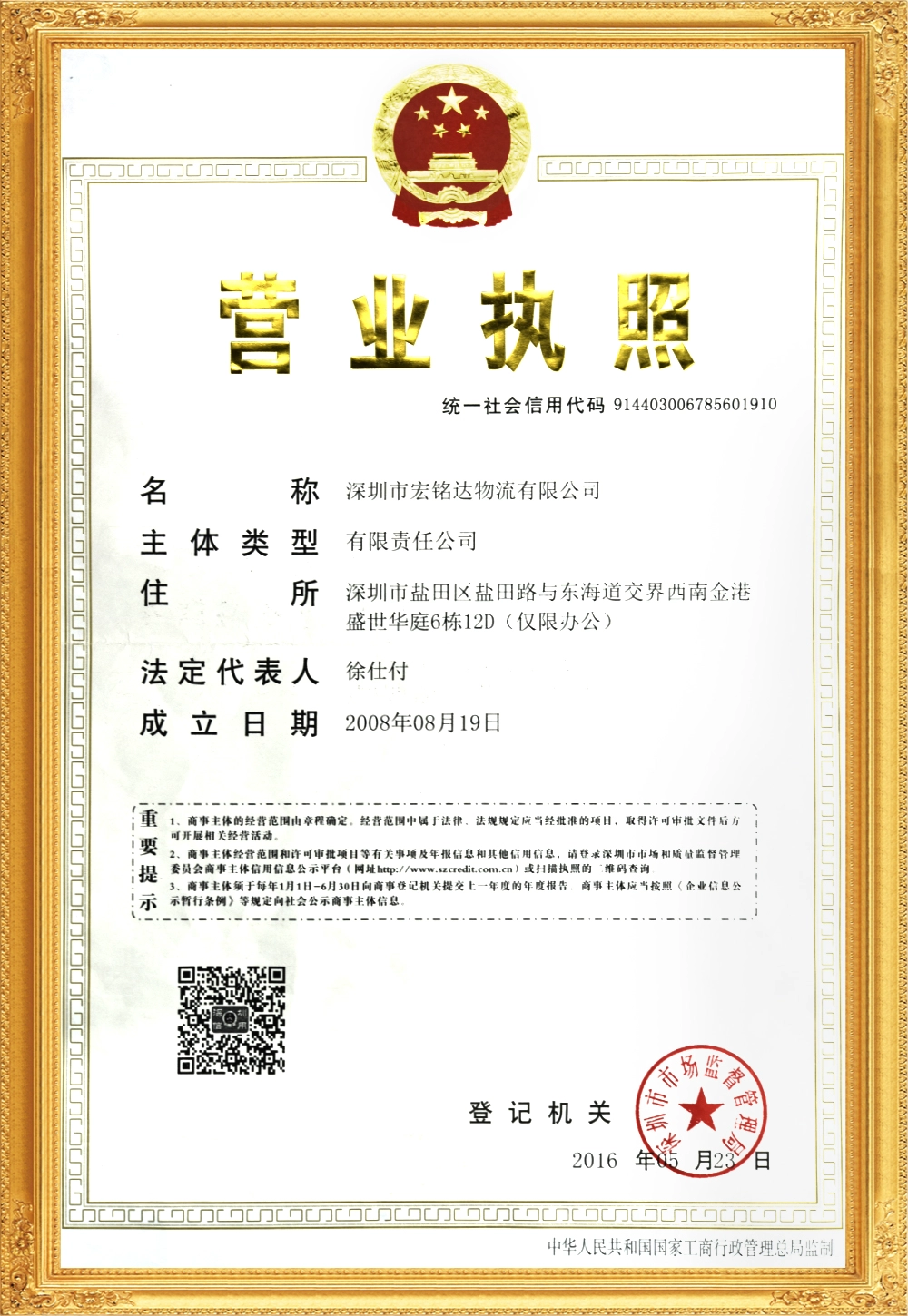
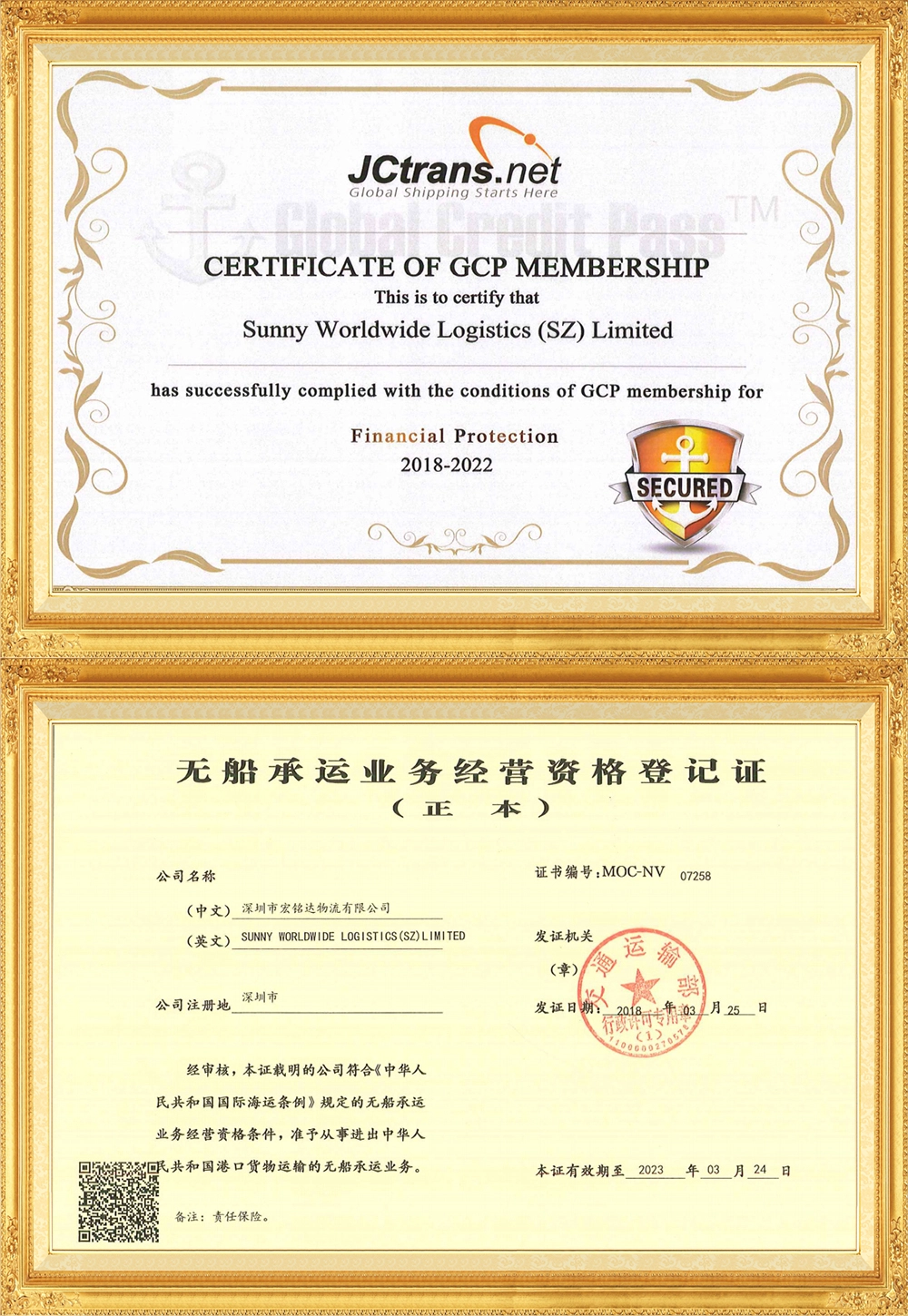
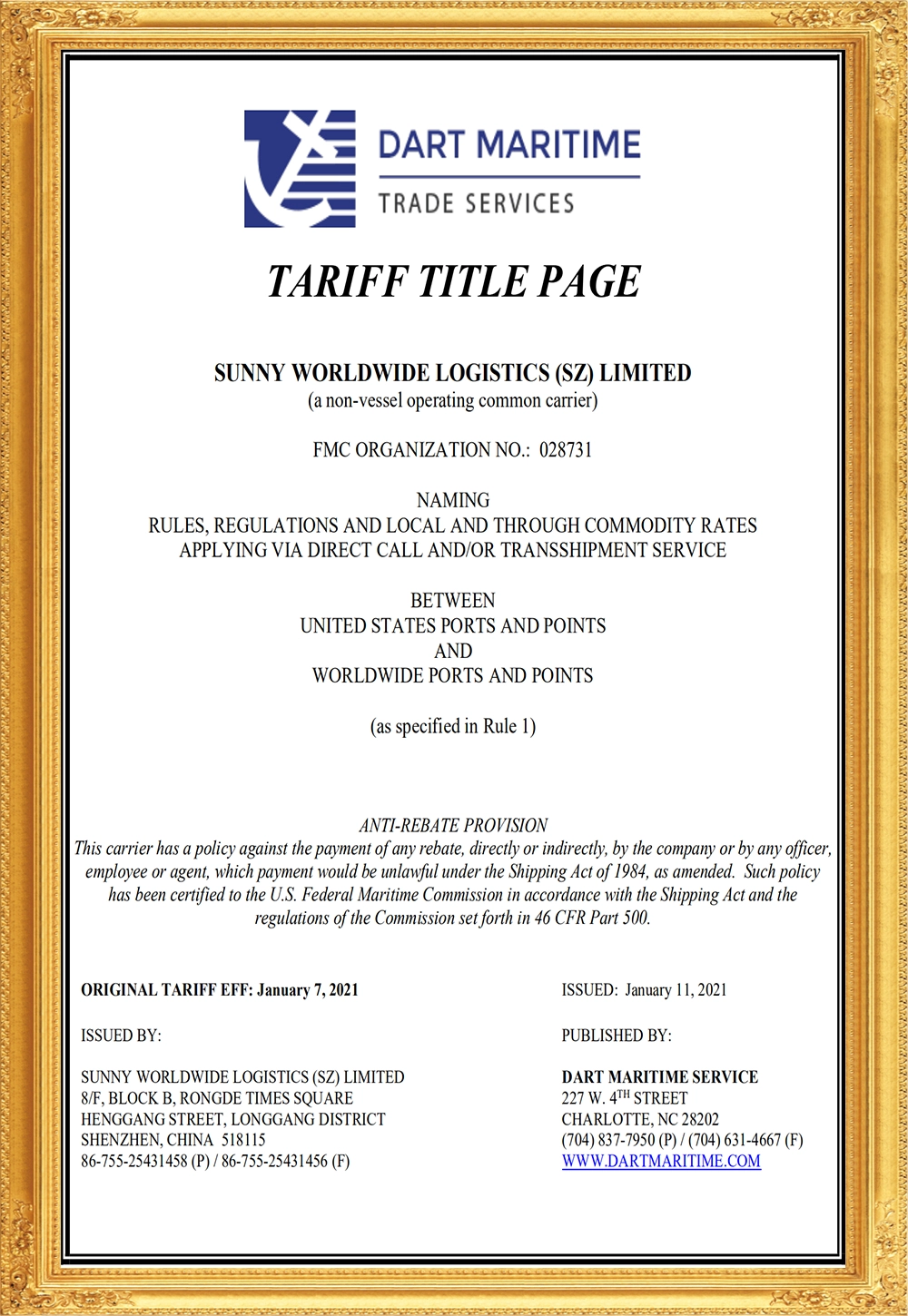
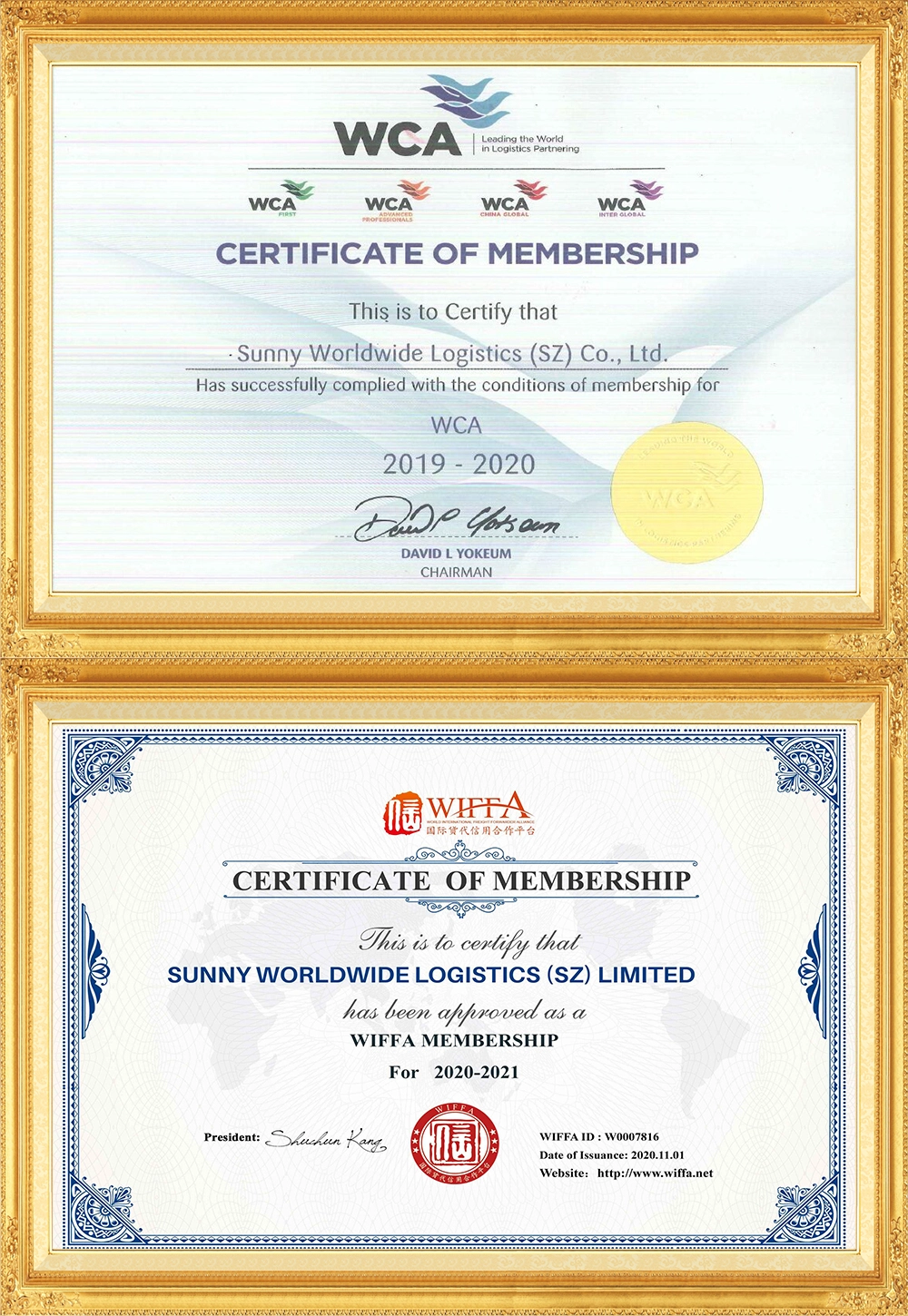
sunny worldwide logistics Co., Ltd. - Three Core Competencies:
Exclusive foreign trade warehouse at Yantian Port—one of only three among 60,000+ logistics peers in Shenzhen.
Own container fleet, available on-call—among the best in Shenzhen's industry.
1,800 sqm of premium Grade-A office space in Longgang—a testament to exceptional strength.
sunny worldwide logistics—Top 3 in Shenzhen Logistics.
When it comes to logistics, choose sunny worldwide logistics—your gateway to the world.
About sunny worldwide logistics
Established in 1998, Swwlogistics is an international freight forwarding enterprise headquartered in Shenzhen, with 1,800 sqm of self-owned Grade-A office space. Our mission: "Ssunny worldwide logistics Freight—No Surprises Unless Acts of God." With 27 years in freight forwarding, there's no pitfall we haven't seen.
Services:
Sea freight
Land transport
Air freight
Rail freight
Customs clearance
Warehousing
Inspection declaration
Container trucking
Fumigation
Insurance
One-stop integrated logistics solutions.
sunny worldwide logistics—More committed than the cargo owner themselves.
Contact Us:
QQ: 2885374591
Tel: 0755-25643421
WhatsApp/WeChat: 19076129125 (Lily)
Websites:
Official: swwlogistics.com
Rate Inquiry: swwlsrates.com
Mexico Site: swwshippingforwarder.com
Address: 8/F, Block B, Rongde International, Henggang, Longgang District, Shenzhen, Guangdong, China
Email: sales36@swwlogistics.com.cn