













Philippine Ports Face Severe Congestion, Customs Clearance Delays Stretch to Nearly a Month
The Philippines (especially the core port of Manila) has indeed faced serious port congestion and customs clearance delays recently. It is an objective fact that the overall logistics time has been extended to 20-35 days (in some cases close to a month). This is not a problem of a single link, but the result of "systemic delays throughout the chain."
1. Core reasons for time delays
1. Ship arrival delays (front-end bottleneck)
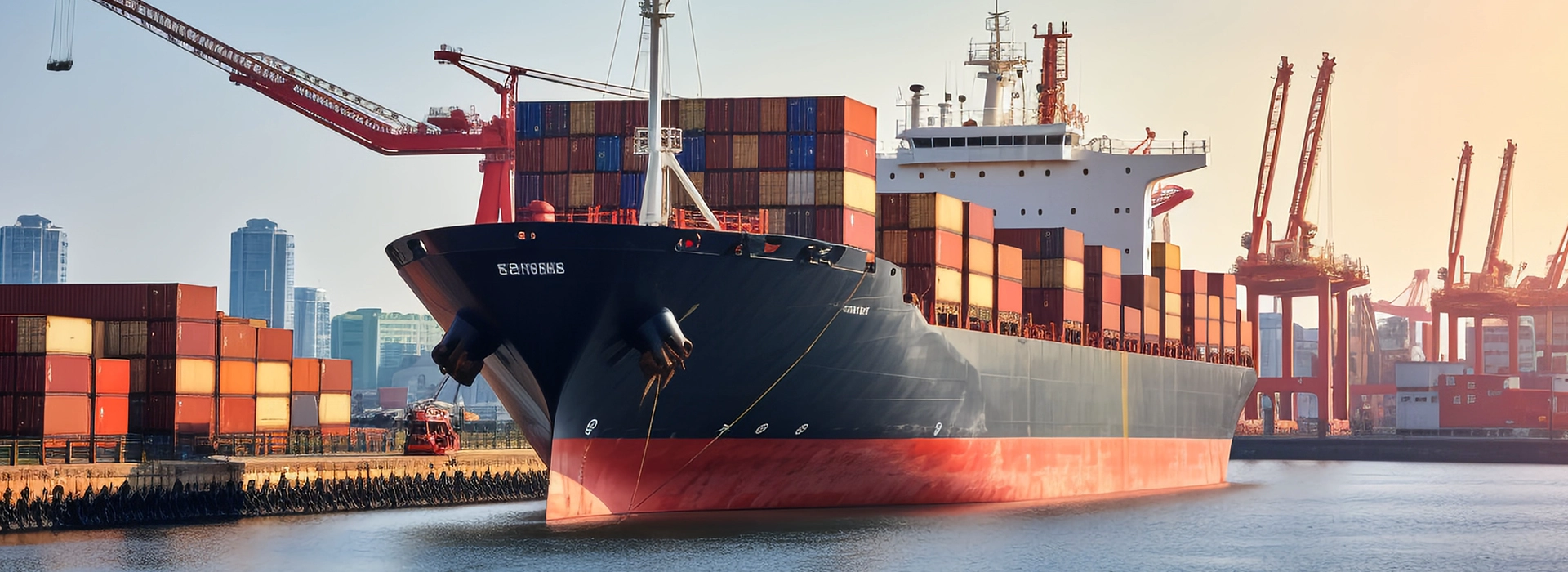
- Berth tight: The Manila Port (North and South Ports) has limited berths, and ships have to queue up for a long time to wait for berthing after arriving at the port. The average waiting time for berthing is 3-5 days or even longer.
- Unloading delayed: After the ship berthed, the unloading time was greatly extended due to the decline in terminal operation efficiency (lack of cranes and manpower) and the concentration of ships arriving at the port.
2. The port area is saturated (mid-range bottleneck)
- Heavy boxes piled up: The volume of cargo arriving at the port has increased sharply, and a large number of heavy containers have been stranded in the port area. The yard utilization rate has been above 85%-90% for a long time. Some areas are overloaded, resulting in no space for new arrivals to be stacked, and the turnover efficiency has dropped significantly.
- Empty container stacking compression: In order to give priority to heavy containers, the port has compressed the empty container recycling area, making it difficult to return empty containers, forming a vicious cycle of "heavy containers are blocked and empty containers are difficult to return".
3. Delays in customs clearance and inspection (back-end bottleneck)
- Customs clearance and inspection: The customs clearance process is cumbersome, the inspection rate is high (some require X-ray scanning or cabinet opening for inspection), and the time for system review and tax assessment is superimposed, resulting in a passive extension of customs clearance time.
- There are restrictions on picking up and returning lockers: The terminal implements a strict TABS (inbound) reservation and container pick-up quota system, resulting in tight reservation quotas and long queuing times; at the same time, the difficulty in returning empty containers has led to a large amount of trailer resources being occupied, and the trailer turnover efficiency has decreased, further slowing down the speed of container pick-up and delivery.
4. External and supporting factors
- Insufficient local transport capacity: There is a large shortage of local tow truck drivers, which, coupled with traffic congestion in Manila, has led to a reduction in the efficiency of "last mile" delivery.
- external shock: Concentrated cargo volume during the peak season of foreign trade, temporary suspension of sailings caused by extreme weather (such as tropical storms), and malicious hoarding of containers by some importers have all aggravated port congestion pressure.
2. Response and Mitigation Suggestions
1. Plan ahead and reserve sufficient time.: It is recommended to prepare goods in advance and reserve a 10-15 day buffer period to avoid delivery defaults due to temporary rush.
2. Ensure documents are compliant: Strictly check customs clearance information such as bills of lading, commercial invoices, packing lists, etc. before shipment to ensure that the information is consistent to avoid customs inspection or refund due to inconsistent documents, which increases the risk of delays.
3. Choose reliable logistics channels: Give priority to high-quality freight forwarders with stable shipping space and guaranteed local customs clearance and trailer resources, follow up on port dynamics in real time, and make reservation plans for port entry and container pick-up in advance.